FROM BROKEN MONEY
TO BETTER CREDIT.
Money is broken. Credit is broken. Buydl exists to turn on-chain assets into real purchasing power, using a well-established financial primitive: collateralized credit.
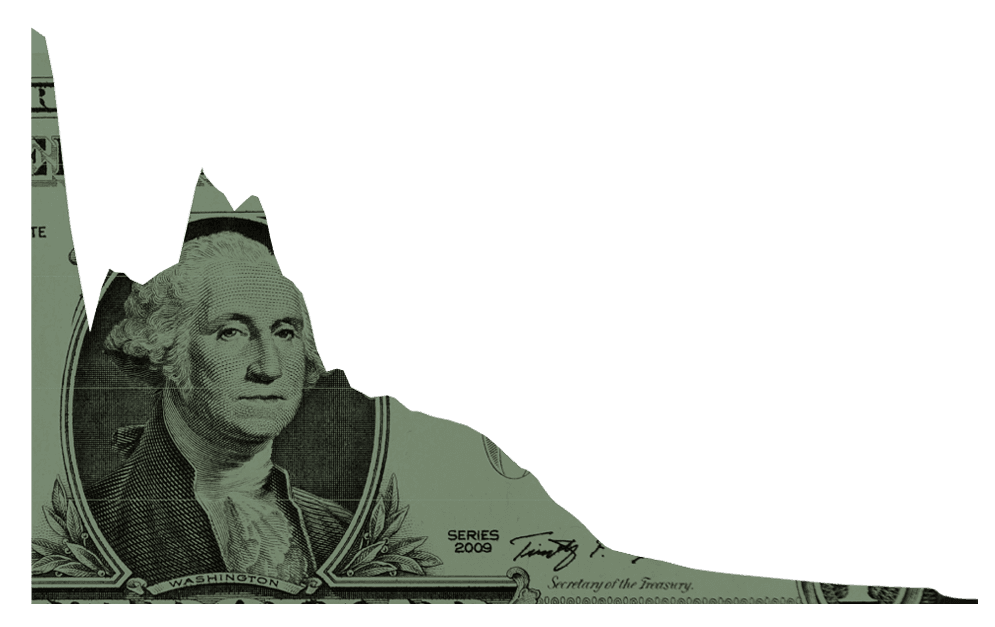
Fiscal dominance erodes purchasing power
Persistent deficits and monetary expansion mean one thing: your money buys less every year.
Growth of global money supply since 2000
USD purchasing power lost since 1913
Broken money becomes broken credit
Asset-income mismatch
People hold appreciating assets like crypto, yet traditional credit models prioritize stable income over asset values. Your on-chain balance sheet is invisible to the systems that decide whether you can borrow.
Mispriced consumer risk
Credit scores reflect past behaviors tied to fiat-denominated obligations, ignoring asset appreciation dynamics. Borrowing costs rise disproportionately for non-traditional profiles, even those with substantial holdings.
Geographic exclusion
If your access to consumer credit is constrained by geography, documentation, or banking relationships, traditional underwriting is a poor match for your actual financial reality. This is a data-model mismatch, not a moral failing.
Forced asset sales
Without collateral-first credit, every purchase forces a decision: sell appreciating assets at an inopportune time, or don't spend at all. Simple purchases become complex financial maneuvers.
What we believe
Buydl turns complex back-end protocols into a simple checkout button.
Collateral over credit scores
Traditional credit evaluates who you are. Buydl asks what you own. Collateral substitutes for credit scoring.
Spending is not selling
Buydl separates the purchase decision from the asset sale decision. You spend against your crypto, not with it.
Checkout-native, not DeFi-native
DeFi lending is designed around borrowing. The user intent at checkout is "buy this now." Buydl packages DeFi primitives into a spending tool.
Transparency over persuasion
You’re taking on a collateralized debt position. LTV is your risk thermostat. We make this visible, not hidden.
From HODLing to Buydling
HODLing proved that conviction matters. But holding shouldn't mean paralysis. Buydling turns idle crypto into purchasing power without selling, without exiting your position.
Timing
Separate "I need to pay now" from "I want to sell now." The purchase decision and the asset sale decision don't have to be the same event.
Optionality
Repay on your terms. From income, from later asset sales, or from other liquidity events. Your collateral stays productive while you decide.
Sovereignty
Every purchase preserves optionality: no forced liquidation, no bureau permission, no exit from your position.
What we don't promise
Clarity beats persuasion. This is not free spending. It's borrowing, and borrowing has constraints.
Volatility is the price of the model
If your collateral drops, your LTV rises. If it rises far enough, you need to add collateral or reduce debt, or the position becomes eligible for liquidation. This is how overcollateralized lending works, not a Buydl-specific risk.
Liquidation mechanics exist to protect the system
Health factors and liquidation thresholds are enforced on-chain. Users who want the benefit of not selling must accept the constraint: position health matters.
We don't promise tax avoidance
Borrowing against assets is often treated differently from selling, but the exact outcome depends on jurisdiction, structure, and what actually happens. Users should follow local rules and professional advice.
Market conditions affect availability
When credit liquidity tightens or collateral volatility spikes, pricing and available LTVs can change. That's not a product flaw, it's a market reality that any honest system should surface, not hide.
Spend without selling. Credit without permission
Buydl is already live on Solana, serving real customers through Cryptorefills. Not a new primitive, a better tool.
Get in touch